HERALDRY TINDER Lions, Wolves, Griffins and First Impressions A Public History Project
By LPyLJ Editions research group
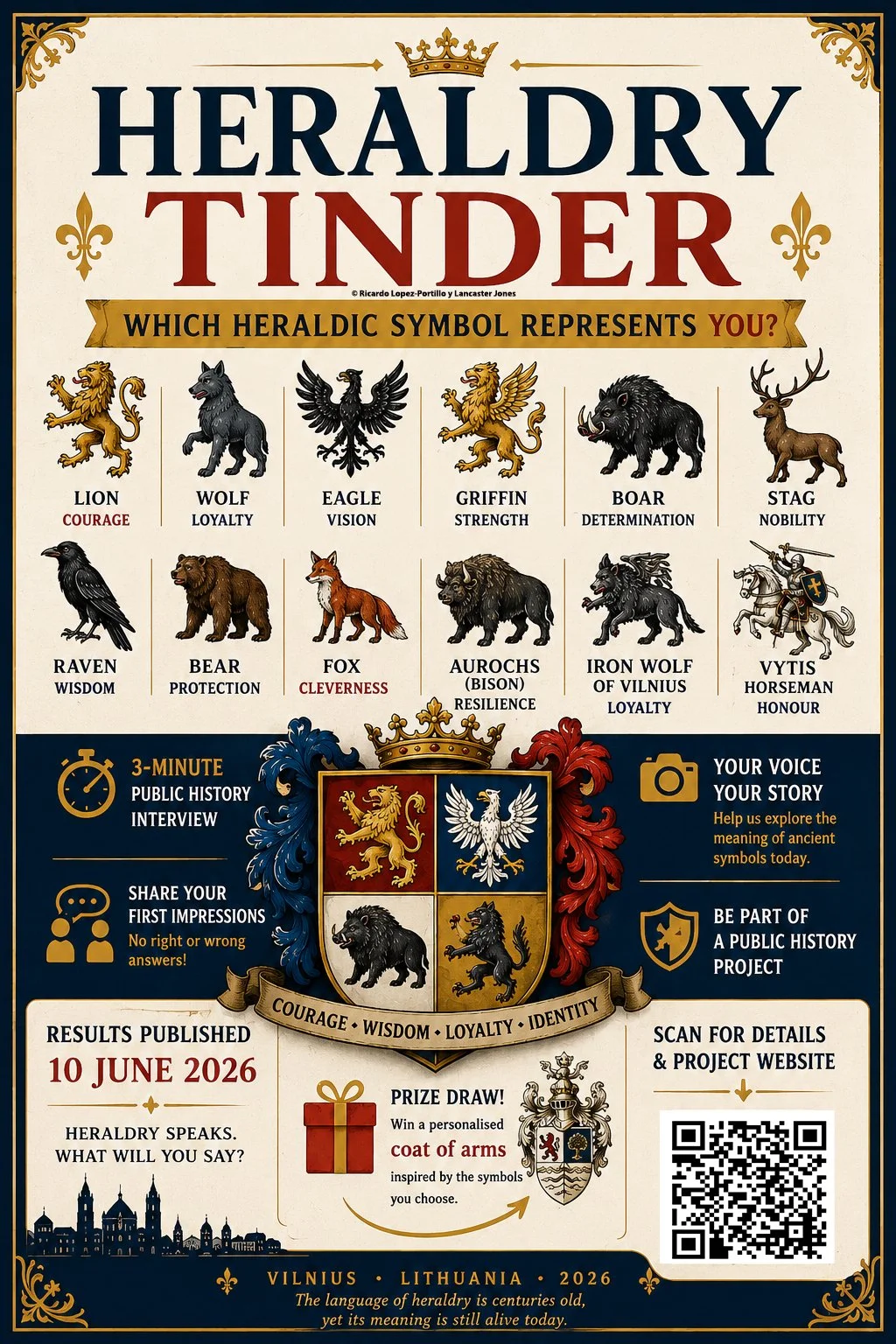
What do modern people see when they look at a lion, a wolf, an eagle, a griffin, or the legendary Iron Wolf of Vilnius?
Do ancient heraldic symbols still communicate courage, wisdom, loyalty, authority, mystery, or identity?
Or have their meanings changed over time?
Long Before Profiles, There Were Symbols
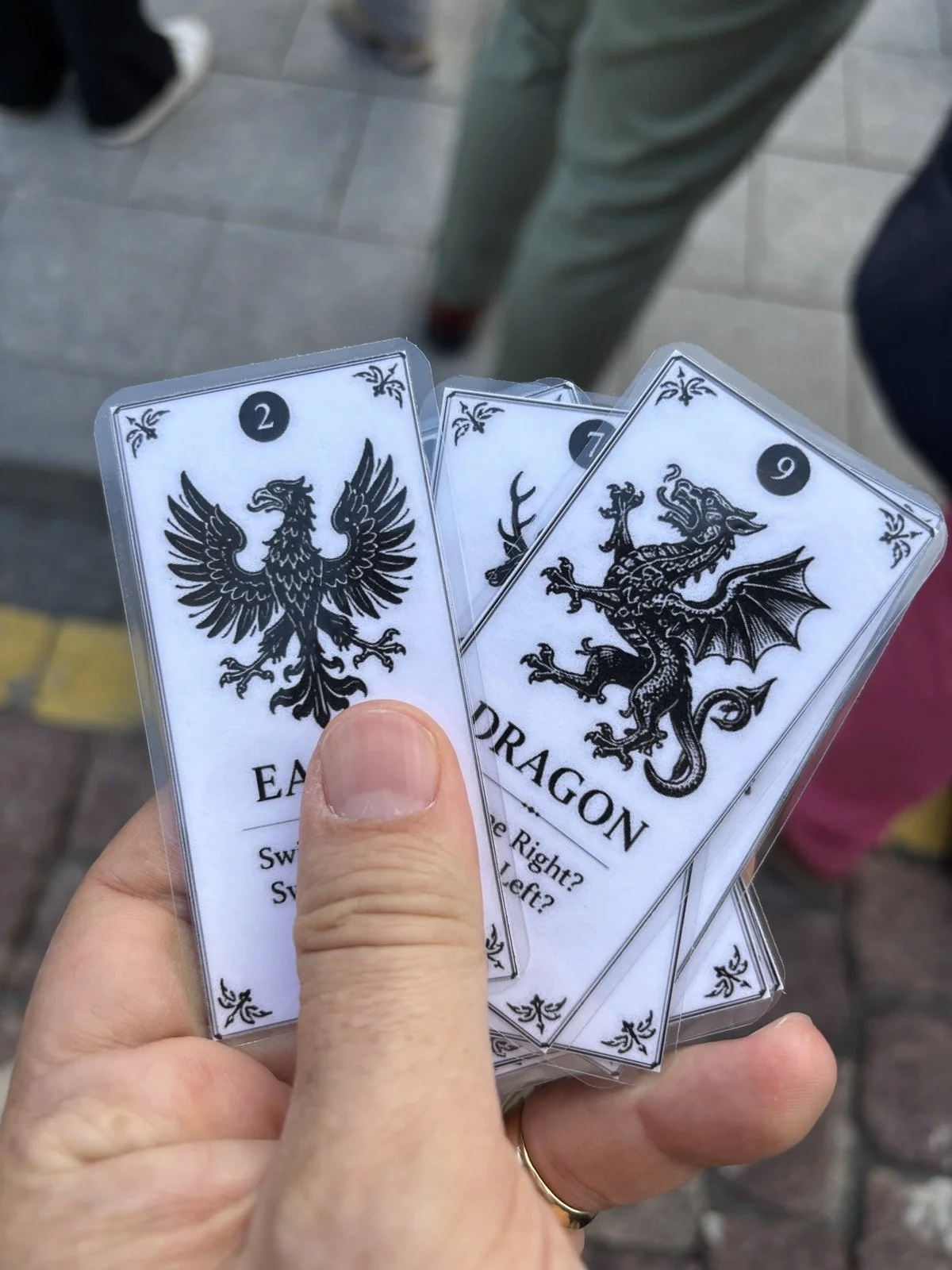
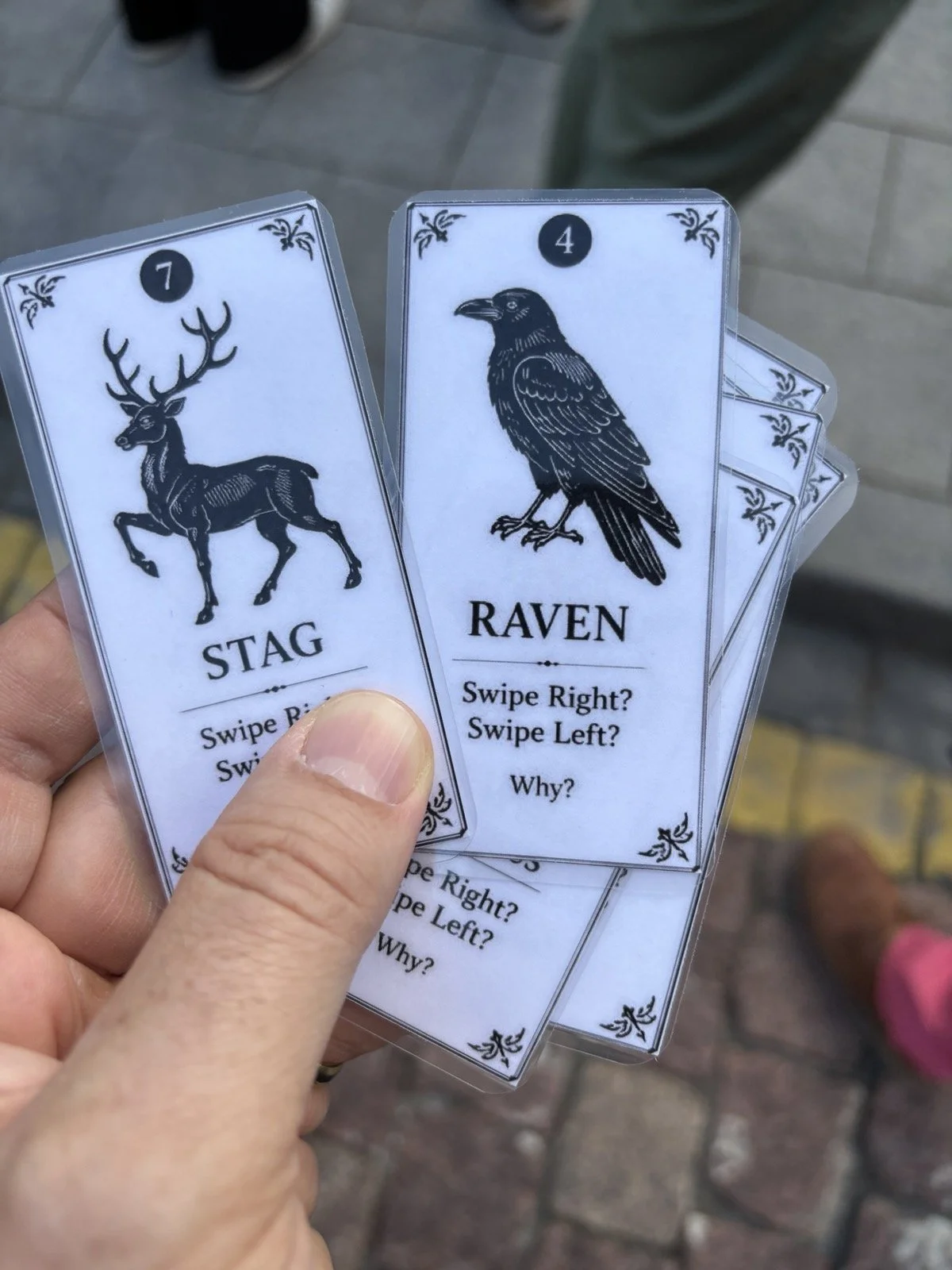
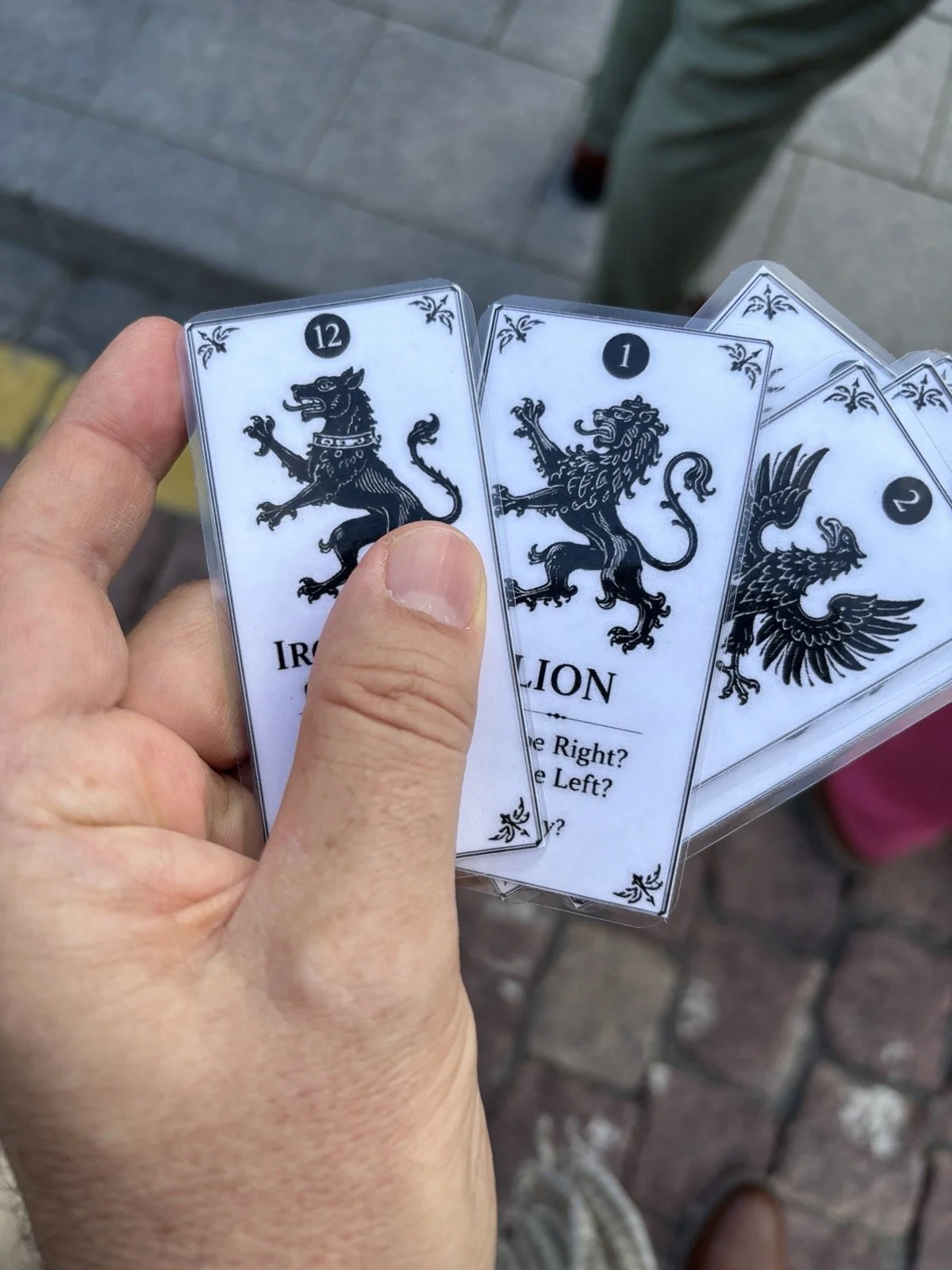
Heraldry Tinder is a public history project that explores how people today interpret traditional heraldic imagery through instinct, imagination, and personal experience.
Participants are invited to react to a series of heraldic symbols and answer simple questions:
Would you trust this symbol?
Hero or villain?
What kind of person does it represent?
What profession might they have today?
Which symbol best represents Lithuania?
Which symbol would represent you?
Identity. Memory. Symbol.
What Do Ancient Symbols Mean Today?
The aim is not to test historical knowledge.
Instead, the project seeks to discover what these symbols communicate to contemporary people and whether the language of heraldry still resonates in the twenty-first century.
Symbols Speak. What Do You Hear?
Why "Heraldry Tinder"?
For centuries, coats of arms served as visual identities.
Before photographs, social media profiles, and personal branding, heraldic symbols communicated reputation, lineage, values, aspirations, and social standing.
Today, we still make rapid judgements from visual symbols.
A lion may appear noble.
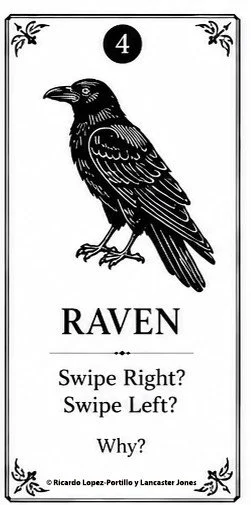
A raven may appear mysterious.
A griffin may appear heroic.
An Iron Wolf may appear loyal—or dangerous.
The project explores these instinctive reactions and asks a simple question:
Can we still read the language of heraldry?
Ancient Symbols. Modern Meanings.
About the Interviews
Interviews are being conducted in Vilnius and other locations in Lithuania during May and June 2026.
Participants are shown six heraldic cards selected at random and invited to share their immediate impressions.
There are no right or wrong answers.
The objective is to collect spontaneous reactions rather than historical expertise.
Participation is entirely voluntary.
Audio recordings and photographs are only taken with permission.
Selected comments and portraits may be included in the final publication.
Symbols Communicate. Do We Still Listen?
The Symbols
The project includes both traditional heraldic animals and symbols associated with Lithuanian history, including:
Lion
Eagle
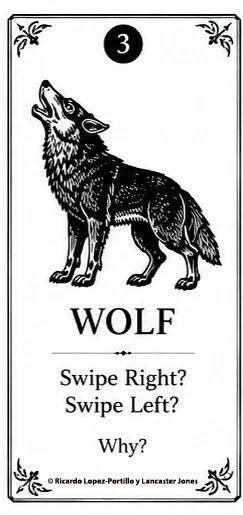
Wolf
Raven
Bear
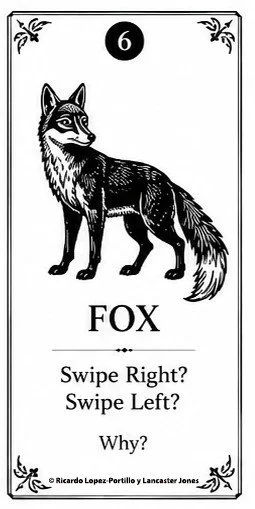
Fox
Stag
Boar
Griffin
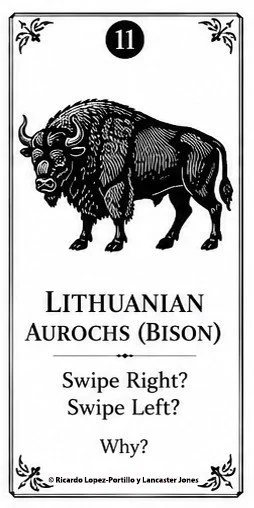
Lithuanian Bison (Aurochs)
The Iron Wolf of Vilnius
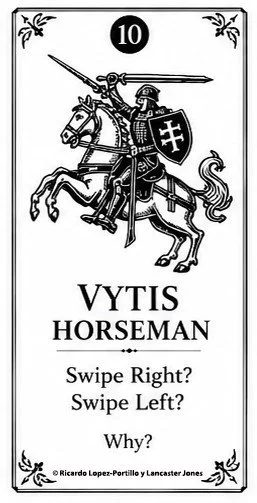
The Vytis Horseman
Each participant encounters a different combination of symbols, creating a unique conversation every time.
What do these symbols traditionally represent?
Lion — Courage
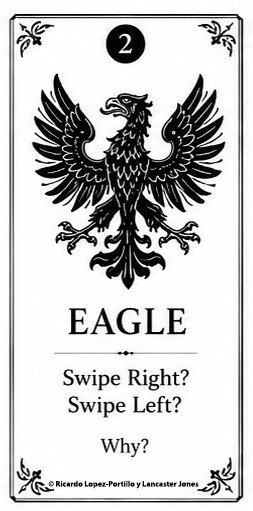
Eagle — Vision and Authority
Wolf — Loyalty and Perseverance
Raven — Wisdom and Memory
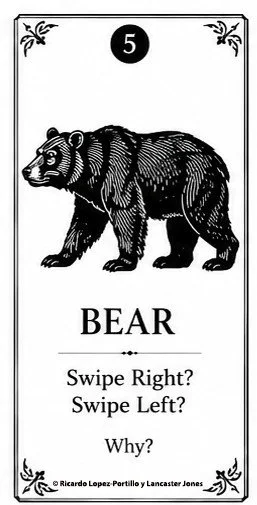
Bear — Protection and Strength
Fox — Cleverness and Resourcefulness
Stag — Nobility and Dignity
Boar — Determination and Fearlessness
Griffin — Strength and Vigilance
Lithuanian Bison (Aurochs) — Resilience and Endurance
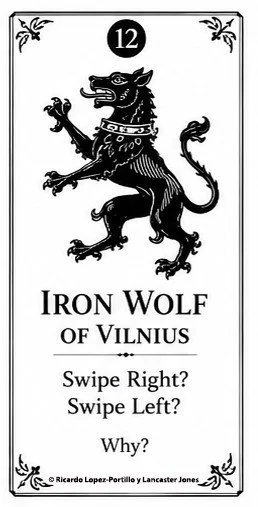
Iron Wolf of Vilnius — Loyalty, Resolve and the Founding Legend of Vilnius
Vytis Horseman — Honour, Courage and Lithuanian Identity
Symbols Speak. What Do You Hear?
Publication of Results
The findings of the project—including observations, statistics, selected quotations, photographs, and conclusions—will be published here on:
July 2026
Visitors will be able to discover:
The most trusted symbol: Eagle — Freedom, vision, authority
The most admired symbol: Iron Wolf of Vilnius — Identity, strength, origins
The most feared symbol: Raven — Wisdom, intelligence, mystery
The symbol considered most Lithuanian: Vytis (Horseman) — Honour
Memorable participant observations: the knowledge of Lithuanian history and symbols was impressive
Reflections on the continuing relevance of heraldry today: Heraldry remains relevant because symbols still shape how we understand identity, character and belonging. The Heraldry Tinder experiment shows that even centuries-old images can provoke immediate, personal reactions in a modern audience.
Prize Draw
As a token of appreciation, participants who consented to publication were entered into a special prize draw.
Prize
A personalised heraldic coat of arms, inspired by the participant’s selected symbols and designed as a unique commemorative artwork.
PRIZE RESULTS
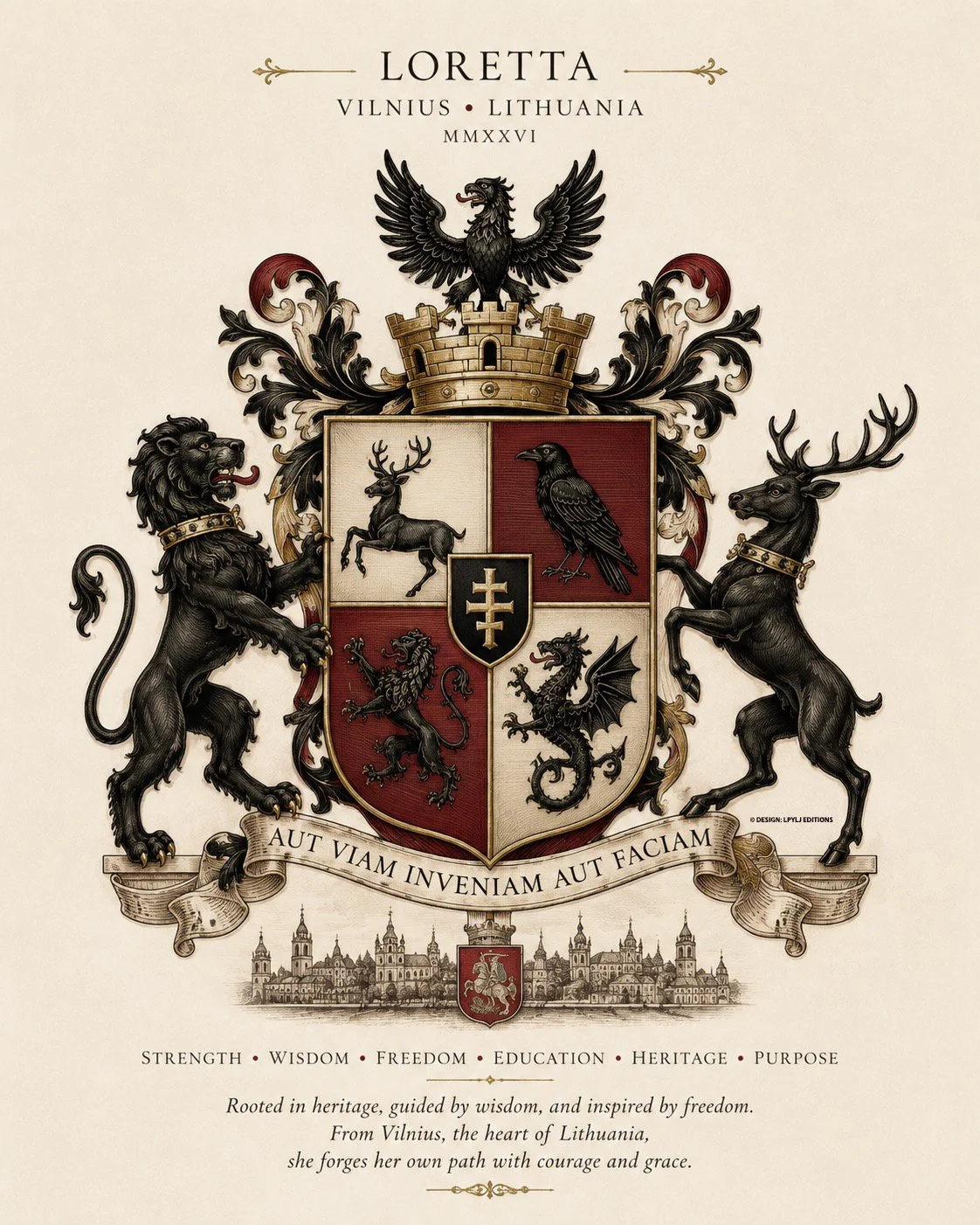
Loretta’s Coat of Arms
Motto “AUT VIAM INVENIAM AUT FACIAM”
“I shall either find a way or make one.”
Loretta won the Prize, she chose these cards: